Richmond City vs Suburbs: Find the Right Fit for You
April 23, 2026
April 23, 2026
Trying to decide between Richmond city and the suburbs? You are not alone. Many buyers find themselves weighing walkability, commute time, home styles, and day-to-day convenience, all while trying to picture what life will actually feel like once the move is over. This guide breaks down the biggest trade-offs between Richmond, Midlothian, Short Pump, and Moseley so you can choose the area that fits your lifestyle and goals with more confidence. Let’s dive in.
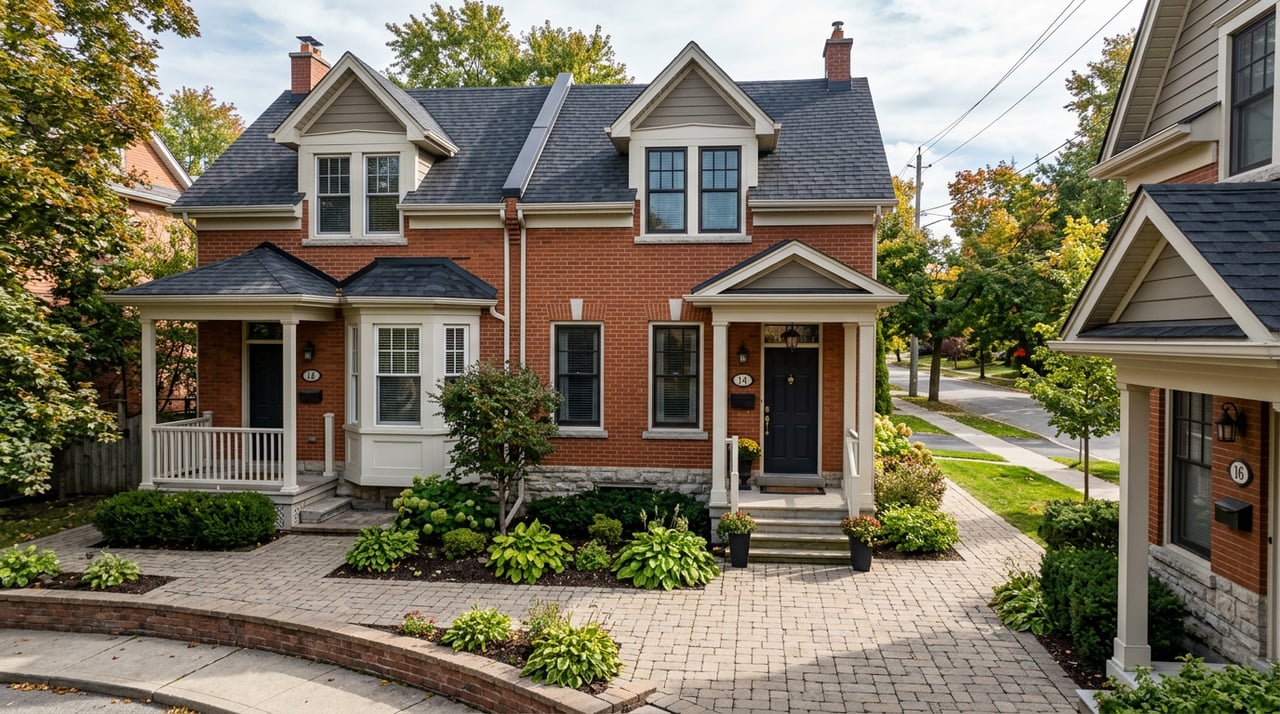
The best place for you often comes down to how you want your average weekday to work. If you want more places nearby, a shorter average commute, and a broader mix of housing options, Richmond city may feel like a natural fit.
If you prefer a more suburban setup, the picture changes by area. Midlothian, Short Pump, and Moseley each offer a different balance of price, convenience, and car dependence, so it helps to compare them through a practical lens.
Richmond is the densest option in this comparison, with 3,781.6 people per square mile, compared with 1,431.0 in Henrico County and 860.8 in Chesterfield County, according to the U.S. Census QuickFacts for Richmond city. The city also has the shortest mean travel time to work at 21.7 minutes, versus 22.6 minutes in Henrico and 26.4 minutes in Chesterfield.
Those numbers do not tell the whole story, but they do point to a more close-in lifestyle for many buyers. If you value easier access to shops, restaurants, transit, and a wider range of housing types, the city often offers more of that in one place.
One of Richmond’s biggest strengths is variety. The Redfin Richmond market page shows a median sale price of $414,500 in March 2026, and the city’s market includes condos, townhouses, and multi-family properties in meaningful numbers.
That variety can matter if you want flexibility. Recent Richmond zip code snapshots also show prices ranging from the mid-$300,000s to well over $1 million, which gives buyers a broader affordability range than many people expect when they first start looking at the city.
The suburbs are not one-size-fits-all. Midlothian, Short Pump, and Moseley each sit in a different place when it comes to price, walkability, and overall pace.
Here is the simplest way to think about them: Midlothian tends to feel balanced, Short Pump blends suburban living with strong retail access, and Moseley offers a farther-out, more car-dependent option.
Midlothian’s housing market had a median sale price of $399,900 in March 2026, which is slightly below Richmond city’s current median. That makes it an appealing option if you want suburban living without automatically moving into a much higher price bracket.
Walkability is mixed in Midlothian. The broader area can score higher, but individual locations vary a lot, which means one neighborhood may feel much more connected than another. If Midlothian is on your list, it is worth looking closely at the exact address and nearby conveniences instead of relying on the area name alone.
Short Pump’s housing market had a median sale price of $458,085 in March 2026. That places it above Richmond city and Midlothian in this comparison.
What makes Short Pump stand out is that it can offer suburban living with access to shopping, dining, and some more walkable mixed-use pockets. While its overall walkability is lower than Richmond’s, some locations in Short Pump score much higher than the area average, which can be attractive if you want a suburban setting without giving up every convenience.
The 23120 market in Moseley posted a median sale price of $620,000 in March 2026, making it the highest-priced suburban example in this group. It also stands out as the clearest car-dependent option.
For some buyers, that trade-off is worth it. If you are comfortable driving for errands and commuting longer distances, Moseley may align with a more removed suburban lifestyle. If quick access and walking convenience rank high on your list, it may feel less practical.
If you want to run more errands on foot, Richmond city leads this comparison. Walk Score gives Richmond an average score of 51, and a downtown Richmond location scores 91 with good transit.
The suburban options trail behind overall. Short Pump averages 30, Moseley scores 8, and Midlothian varies by location. In practical terms, Richmond is the strongest fit if you want more daily convenience without always getting in the car, while Short Pump offers some of the best suburban retail pockets for buyers who still want nearby amenities.
Commute time shapes your week in ways buyers often underestimate. According to the U.S. Census data for Richmond city, Richmond has the shortest average commute among the broad areas in this comparison.
That does not mean every city address will beat every suburban address. Still, if you want to reduce average driving time and stay closer to major job centers, Richmond may offer an advantage, while farther-out suburban areas like parts of Chesterfield can mean more time on the road.
For many buyers, school planning is part of the city-versus-suburbs conversation. The key difference here is less about one side being universally better and more about how assignment and choice are structured.
Richmond Public Schools assigns each city residence a zoned elementary, middle, and high school, while also offering open enrollment and specialty or alternative programs. The district lists programs such as Franklin Military Academy, Open High School, Patrick Henry School of Science and Arts, Richmond High School for the Arts, Richmond Success Academy, and Richmond Career Education and Employment Academy.
Chesterfield County Public Schools says students attend the school in their attendance area unless they receive a waiver or are accepted into a center-based or specialty program. The district also directs families to its Find My School tool for address-based lookup.
Henrico County Public Schools provides a school assignment locator, notes that official assignments should be confirmed through its boundaries team, and offers specialty centers plus IB and dual-language immersion programs. In short, Richmond offers more formal open-enrollment choice within the city system, while the counties lean more on address-based zoning with specialty options layered in.
When you narrow the decision down to your real priorities, the answer usually becomes clearer. Think less about labels and more about what you want your home base to support every day.
If you are stuck, try ranking these four factors from most important to least important: price, commute, walkability, and housing type. That quick exercise can help you cut through the noise and focus on what actually affects your day-to-day life.
You do not need a perfect answer on day one. You just need a clear sense of what trade-offs feel worth it to you.
Whether you are comparing Richmond neighborhoods, exploring Midlothian and Moseley, or trying to figure out if Short Pump gives you the best of both worlds, working with a local team can make the search more focused and less stressful. If you want help weighing your options and finding the right fit for your lifestyle, connect with Pretty Properties LLC.
Stay up to date on the latest real estate trends.
Partner with a team that delivers clarity, strategy, and commitment elevating your journey with a level of service you can feel.