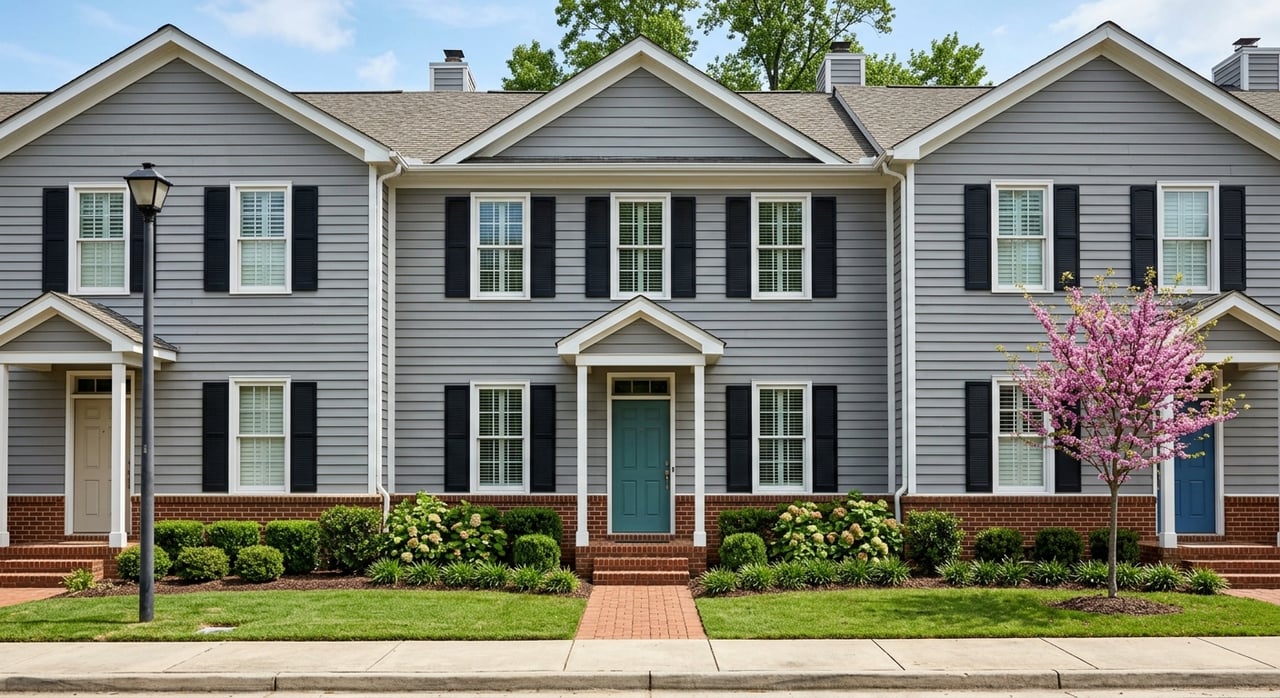
Richmond Townhome And Condo Options For Downsizers
May 28, 2026
May 28, 2026
Thinking about simplifying your next move without giving up comfort or location? If you are downsizing in Richmond, townhomes and condos can offer a smart middle ground between a larger detached house and a major lifestyle compromise. The key is knowing where attached homes are concentrated, what they tend to cost, and how community fees and maintenance really work. Let’s dive in.
For many downsizers, the goal is not just less square footage. It is less upkeep, fewer weekend projects, and a home that fits the way you want to live now.
In Richmond, condos and townhomes can make sense if you want a more lock-and-leave lifestyle, a more central location, or a simpler day-to-day routine. They may also open up options in areas where detached homes are harder to find at the same price point.
Richmond-area attached homes are often priced below detached homes, but they are not a bargain-basement category. In the Central Virginia Regional MLS rolling 12-month data, the median sales price was $420,000 overall and $369,970 for condo and townhome properties.
In Q1 2026, the median sales price for condo and townhome homes was $375,045, compared with $425,000 for single-family homes. That gap can be meaningful if you want to lower your purchase price while still staying in a desirable Richmond-area location.
Attached-home pricing also varies by size. Recent Richmond Metro median prices were about $255,255 for one bedroom or less, $300,000 for two bedrooms, $370,000 for three bedrooms, and $533,450 for four bedrooms or more.
Most new condo and townhome listings have clustered between $250,000 and $499,999. For many downsizers, that range offers a useful sweet spot between affordability, comfort, and location choice.
If you have been watching detached-home inventory, you already know Richmond can move fast. Attached homes have shown a little more breathing room.
In Q1 2026, inventory for condos and townhomes sat at 2.6 months, compared with 1.2 months for single-family homes. Days on market were also longer at 48 days for condo and townhome homes versus 34 days for detached homes.
That does not mean you can move slowly on the right property. It does mean you may have a bit more time to compare options, review documents carefully, and make a choice that truly fits your next chapter.
A lot of buyers use the terms interchangeably, but the ownership structure matters. In Virginia, a condo association is generally responsible for common elements, while you as the owner are generally responsible for your unit.
There can also be limited common elements, and those can sometimes involve special assessments. Virginia law also requires condominium associations to complete reserve studies at least every five years, and boards can meet repair needs through reserves, additional assessments, or borrowed funds.
Townhome communities are often governed by a property owners' association instead of condominium documents. The declaration may assign maintenance and operational responsibilities for common areas and allow mandatory payments and additional assessments.
Here is the part many downsizers miss: the word townhome does not automatically tell you who handles the exterior. In one community, the association may cover more exterior maintenance. In another, the owner may be responsible for much more. The governing documents matter more than the label.
If your goal is less maintenance, read beyond the marketing language. “Low maintenance” can mean very different things from one Richmond community to another.
In a condo, the association often handles more shared exterior and common-area responsibilities. In a townhome community, the association may maintain some common areas while leaving more direct exterior upkeep to owners.
That is why dues should never be viewed in isolation. You want to compare the monthly fee with what it actually covers, how healthy the reserves are, and whether any major projects may lead to additional assessments.
Richmond offers several strong search zones for downsizers, depending on whether you want an urban or suburban feel. The right fit often comes down to how you want your daily life to look.
Downtown Richmond is one of the clearest fits for buyers seeking a lock-and-leave lifestyle. The area includes lofts, row houses, and high-rise living, with active planning areas that include the Downtown Core, Monroe Ward, Jackson Ward, Shockoe, Manchester, and Greater Scott's Addition.
If you want to be close to restaurants, events, and a more urban setting, downtown should be high on your list. It tends to offer some of the region’s most concentrated condo, loft, and urban-townhome options.
The Museum District appeals to buyers who want attached housing and walkability without living fully downtown. The area includes brick row houses, detached townhouses, and apartment buildings, with close access to Carytown.
For downsizers, this can be a strong middle-ground choice. You may find the convenience of an in-town lifestyle while keeping a neighborhood feel and a housing stock that includes attached options.
Scott’s Addition has become one of Richmond’s main attached-housing and adaptive-reuse areas. It has evolved from a former industrial district into an area with apartments and entertainment uses, and it is recognized as a distinct planning area in Richmond 300.
If you want a more modern, active setting with newer and converted housing choices, this area deserves a look. It can be especially appealing if your priority is convenience and access to nearby amenities.
If you prefer a suburban setting, west Henrico stands out. Short Pump and the Gayton Road and Lauderdale Drive area have active attached-home product, and the county has highlighted projects and planning activity that support continued mixed-use and housing growth.
This makes west Henrico one of the better suburban search zones for buyers who want a lock-and-leave lifestyle without moving into the urban core. If you are coming from a larger suburban home, this transition may feel more natural.
Chesterfield and Midlothian do offer some attached-home choices, but the selection is usually thinner. One Chesterfield County planning document notes that the county’s housing stock is predominantly detached homes and only about 5% townhomes.
If you hope to stay in southern suburban Richmond, you may need to cast a wider net or be patient for the right listing. This is one reason many downsizers expand their search into Richmond City or west Henrico.
Once you find a condo or townhome you like, the paperwork becomes just as important as the floor plan. Virginia’s Resale Disclosure Act requires the seller or seller’s agent to obtain the resale certificate or disclosure packet and deliver it to the purchaser.
Associations generally have 14 days to provide that packet. It includes the governing documents, assessment schedules, fees, and other important disclosures that can shape your decision.
Before you commit, focus on a few practical questions:
These details matter because a lower-maintenance lifestyle is only as good as the association behind it. A community with solid reserves and clear rules can feel predictable. A community with deferred maintenance or surprise costs can feel very different.
If you are selling before or while you buy, start planning early. Downsizers often need to coordinate timing carefully, especially if they want to avoid moving twice.
If your current home is in an HOA or condo community, begin the disclosure process as soon as you are preparing to list. Virginia law requires the seller to deliver the resale certificate to the buyer, and the association generally has 14 days to provide it.
This early step can help avoid delays later in the transaction. It also gives you time to review fees, rules, and any association issues that a buyer is likely to ask about.
Downsizing is not always about getting the smallest home possible. In Richmond, it is often a lifestyle and carrying-cost decision.
An attached home may reduce your maintenance burden and sometimes lower your purchase price. At the same time, it can introduce HOA fees, community rules, and more document review than you may be used to with a detached house.
That is why the best move is usually a side-by-side comparison of your real monthly costs, your maintenance tolerance, and the type of location you want next. When the numbers and the lifestyle line up, a condo or townhome can be a very smart next step.
If you are weighing a move in Richmond, the right strategy starts with clarity. A thoughtful plan can help you compare neighborhoods, understand the true cost of attached living, and time the sale of your current home with less stress. When you are ready for tailored guidance, connect with Pretty Properties LLC for expert support.
Stay up to date on the latest real estate trends.


Partner with a team that delivers clarity, strategy, and commitment elevating your journey with a level of service you can feel.