Midlothian New vs Established Homes: What to Compare
June 25, 2026
June 25, 2026
Trying to decide between a brand-new home and an established neighborhood in Midlothian? You are not alone. For many buyers, this choice comes down to more than age. It is about layout, maintenance, commute, amenities, and how you want daily life to feel. If you are weighing both paths, this guide will help you compare what newer construction and established neighborhoods often offer in Midlothian, Chesterfield. Let’s dive in.
Midlothian sits in one of Chesterfield County’s fast-growing suburban markets. Chesterfield’s population estimate reached 397,148 in 2025, up from 364,548 in 2020. At the same time, the county’s residential vacancy rate was 3.8% in the 2025 consolidated plan, which is below the 5% benchmark often used for a balanced market.
That backdrop matters when you start your search. Housing options can move quickly, and the decision between new construction and an older neighborhood often comes down to fit rather than simple availability. In Midlothian itself, the 2020 to 2024 ACS data shows a 73.5% owner-occupancy rate and a median owner-occupied home value of $408,500.
Midlothian and Chesterfield also lean heavily toward single-family housing. Countywide, 78% of housing units are detached homes, and 97% of owner-occupied homes are single-family. That means whether you choose a new build or an established neighborhood, you are still likely comparing homes that support a suburban single-family lifestyle.
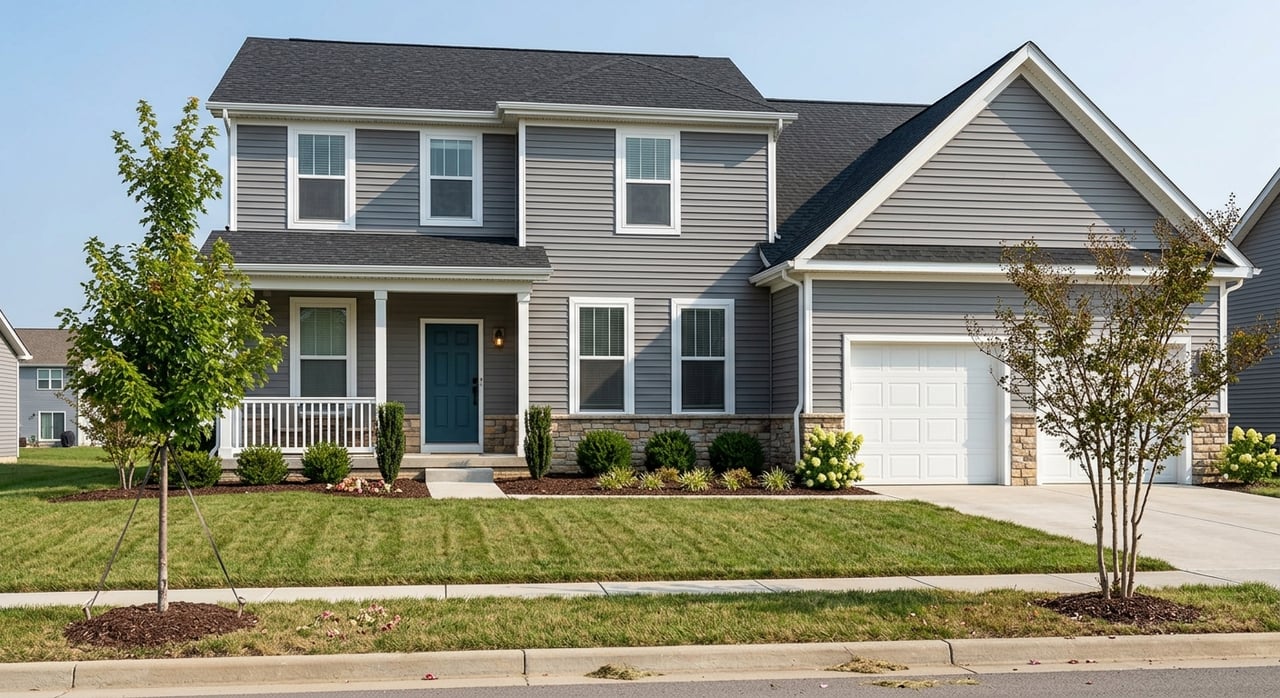
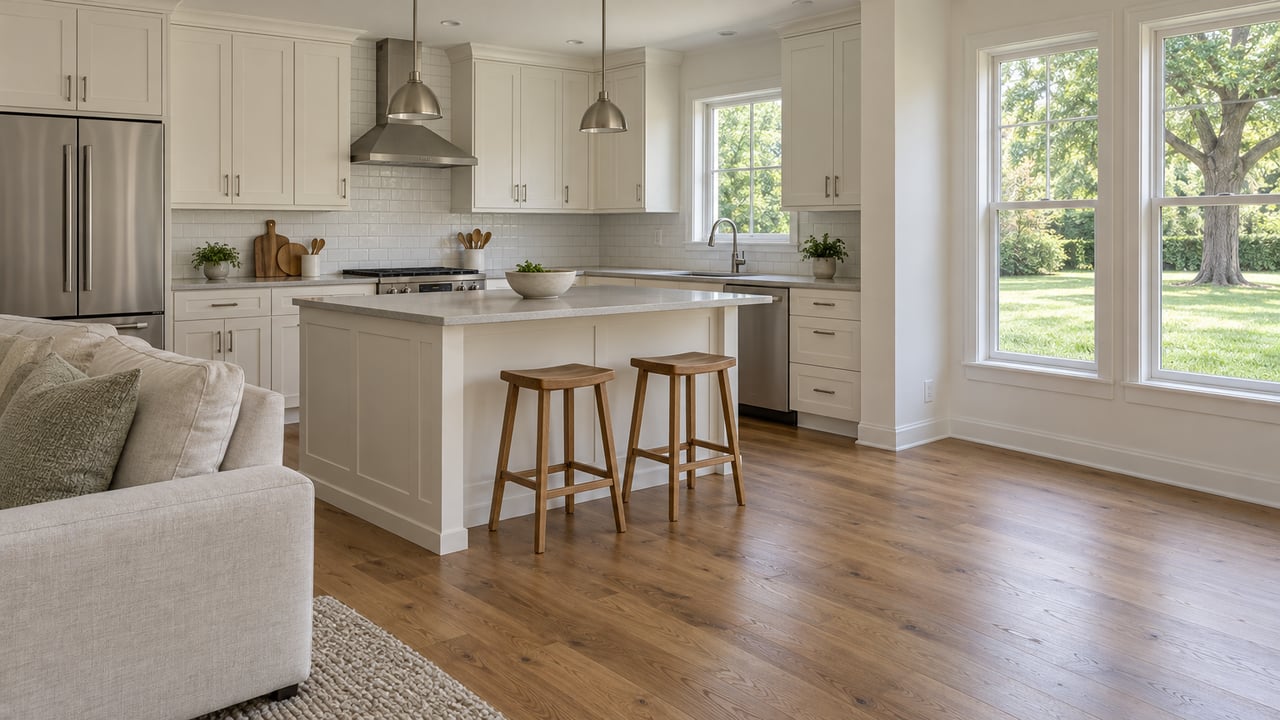
Newer construction in Midlothian often centers on modern living. In many current communities, you will see open floor plans, flex rooms, garages, and layouts designed around how people use space today. Some newer developments also include attached-home options like townhomes or condos, which can appeal if you want a lower-maintenance setup.
You will also notice that many newer communities are planned with amenities in mind. Current examples marketed in the Midlothian area include Hallsley, Midlo West, Oasis, and The Aire at Westchester. These communities highlight features like sidewalks, green space, club-style amenities, central parks, and convenient access to major roads.
That does not mean every new build follows the same formula. Some newer communities emphasize townhomes and more compact formats, while others still offer larger homesites and a more custom-home feel. Hallsley is a good example of a newer community that still stresses generous lot sizes and larger-scale homes.
Buyers are often drawn to newer construction for a few practical reasons:
For many buyers, the appeal is predictability. A newer home may offer fewer age-related repairs in the first years, which can make budgeting feel more manageable.
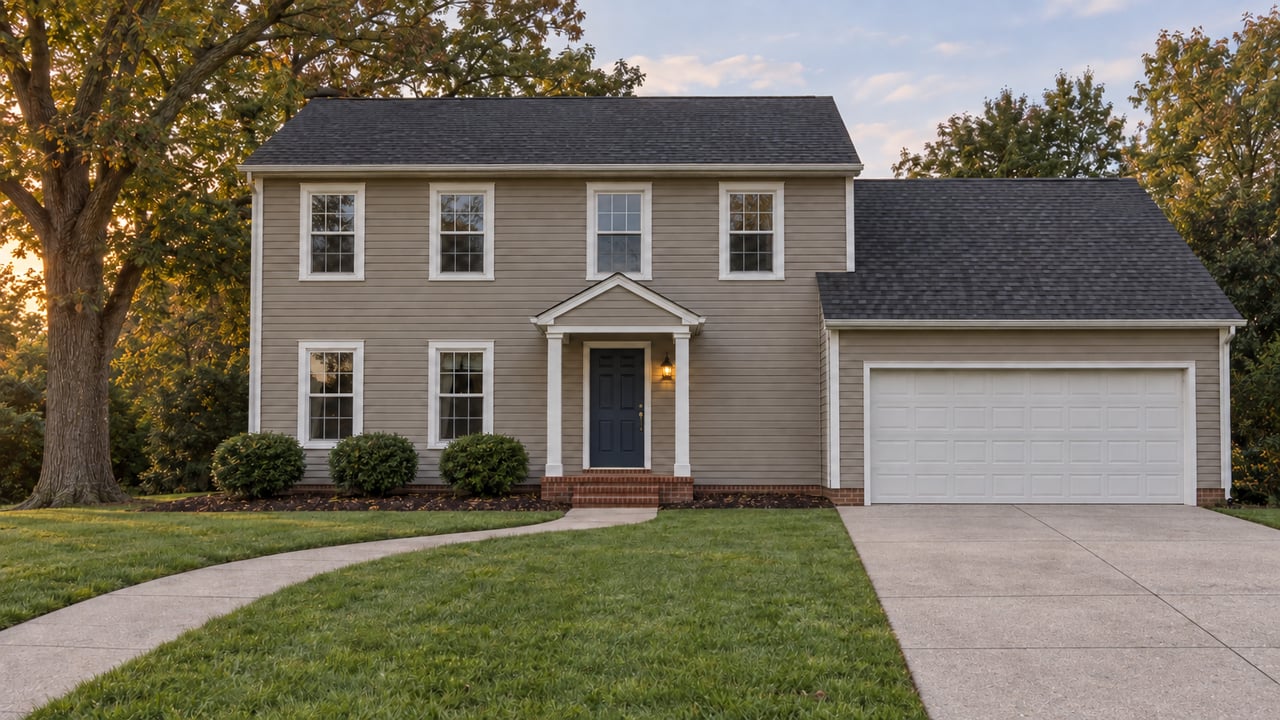
Established Midlothian neighborhoods tend to deliver a different kind of appeal. Instead of newness, they often offer mature landscaping, more varied streetscapes, and a stronger sense of neighborhood identity shaped over time. If you like the idea of trees, trail systems, and homes with a wider mix of styles and ages, this path can be especially attractive.
Brandermill and Woodlake are two well-known examples. Brandermill began in 1974 and now includes more than 13,000 residents across 80 unique neighborhoods, with homes that vary by style, density, size, price range, and amenities. Woodlake, developed in the early 1980s, is organized around more than 13 miles of trails, the Swift Creek Reservoir, boating, pools, parks, playgrounds, bike trails, and shared community facilities.
These neighborhoods show that established does not mean plain. In some cases, older communities offer deep amenity systems that have been in place for years and are fully woven into everyday life. That can create a very different feel from a newer master-planned development that is still taking shape.
Established areas often stand out for features like these:
If lifestyle and neighborhood character matter as much as the house itself, these features can carry real weight in your decision.
One of the biggest differences between new builds and established homes is maintenance. New construction is not maintenance-free, but it is usually front-loaded with newer systems and materials. That often means fewer near-term issues related to roofs, siding, HVAC, or plumbing in the first years of ownership.
Virginia also gives buyers of new dwellings an added layer of protection through the implied-warranty statute. Under Virginia Code § 55.1-357, new dwellings carry implied warranties of workmanlike construction and fitness for habitation. In general, that warranty lasts one year, with a five-year foundation warranty, and it can be waived only with conspicuous contract language.
There is one important detail to know. This particular Virginia new-home implied warranty statute does not apply to condominium units. If you are comparing housing types, that distinction is worth keeping in mind.
Established homes can still be a great fit, but they usually require a more careful repair and reserve mindset. Chesterfield County reports that about 27% of its residential building stock was built before 1980, and the county’s housing rehabilitation priorities often include roofs, siding, HVAC, and plumbing. The county also notes that homes built before 1980 carry the greatest lead-based-paint risk.
| Home Type | Early Ownership Outlook | Key Watchouts |
|---|---|---|
| New build | Usually fewer age-related repairs at first | Warranty details, community rules, housing type differences |
| Established home | May offer strong character and mature setting | Roof, siding, HVAC, plumbing, and older-home risk factors |
When buyers compare new versus established, it is easy to focus only on the home or the neighborhood feel. In Midlothian, your commute pattern can matter just as much. The better question is often not “new or old?” but “which location serves your routine best?”
Chesterfield County’s average mean travel time to work was 26.4 minutes, while Midlothian CDP’s was 24.4 minutes. That may sound manageable on paper, but actual driving experience depends a lot on which corridor your home sits near and where you need to go each day.
The county’s transportation department says the Route 360 and 288 corridor has heavy delays, long backups, and slow travel speeds during peak times. The Route 288 widening project is intended to improve commute efficiency and support future traffic growth. There is also a Route 60 Village of Midlothian corridor study focused on access management and bike and pedestrian improvements.
Community marketing in the area reflects those differences. Some neighborhoods highlight access to Route 288, Powhite Parkway, or Midlothian Turnpike, while others emphasize routes toward Richmond, I-64, I-95, or Richmond International Airport. That means two homes in “Midlothian” can offer very different day-to-day convenience depending on your destinations.
If you want a quick way to frame the choice, here is a practical side-by-side view.
| If you value... | You may lean toward... |
|---|---|
| Contemporary layouts and flex space | Newer construction |
| Lighter maintenance in the first years | Newer construction |
| Built-in amenities in newer developments | Newer construction |
| Mature trees and older streetscapes | Established neighborhoods |
| More variation in architecture and updates | Established neighborhoods |
| Large, long-standing amenity systems | Established neighborhoods |
Of course, real life is rarely that neat. Some newer communities in Midlothian still offer generous homesites, and some established neighborhoods provide unusually robust amenities. That is why a side-by-side tour often tells you more than online photos ever can.
The right answer depends on how you live. If you want newer systems, a more contemporary layout, and a maintenance profile that is usually lighter in the first few years, newer construction may make more sense. If you care most about mature landscaping, neighborhood character, and amenity systems that are already built and established, an older neighborhood may be the better fit.
It also helps to think beyond the house itself. Consider how much upkeep you want, how important commute routes are, and whether you prefer a neighborhood that feels brand new or one that has grown in over time. In Midlothian, both options can support a strong lifestyle, but they deliver that lifestyle in different ways.
When you tour homes, try to compare with the same checklist each time. Look at lot size, street feel, storage, layout, community features, likely maintenance items, and route access. That kind of apples-to-apples approach can make your decision much clearer.
If you are weighing neighborhoods across Midlothian, Chesterfield, and nearby areas, having local guidance can make the search a lot less stressful. The team at Pretty Properties LLC takes an education-first approach, helping you compare homes, communities, and daily lifestyle fit so you can move forward with confidence.
Stay up to date on the latest real estate trends.
Partner with a team that delivers clarity, strategy, and commitment elevating your journey with a level of service you can feel.