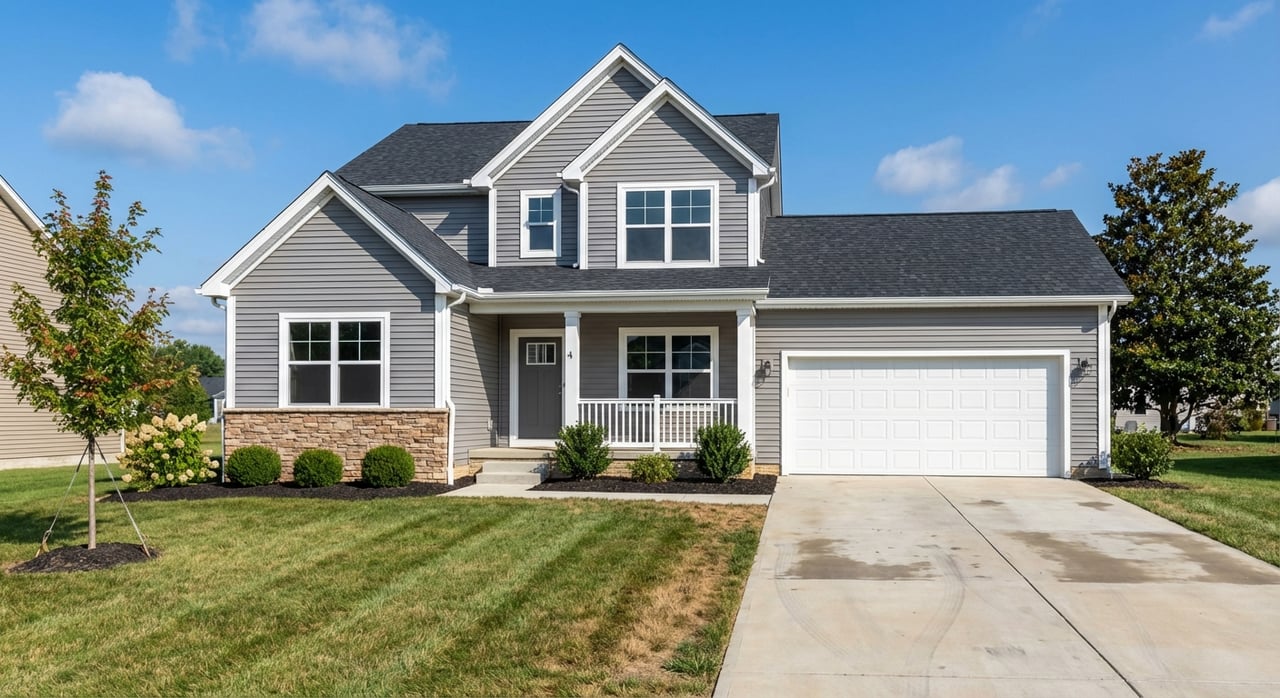
Buying New Construction In Moseley Neighborhoods
February 19, 2026
February 19, 2026
Thinking about buying new construction in Moseley? You are not alone. With amenity-packed neighborhoods, newer floor plans, and a convenient Hull Street Road corridor, this part of western Chesterfield keeps drawing attention. In this guide, you will learn how Moseley’s major communities differ, what the new-build process looks like, how contracts and inspections work, financing paths to consider, and which upgrades tend to pay you back. Let’s dive in.
Moseley sits along the Route 360 corridor with quick access to shopping, services, and outdoor spots like the Swift Creek reservoir area and Pocahontas State Park. Many neighborhoods are master planned, so you see walking trails, pools, clubhouses, and on-site programming that support an easy day-to-day routine. For example, Magnolia Green features a Nicklaus-designed golf course, multiple pool complexes, tennis and pickleball, and miles of trails that anchor the community’s lifestyle. You can preview the amenity set on the Magnolia Green amenities page.
Recent market snapshots show Chesterfield County’s typical home value in the high $300s as of early 2026, with Moseley trending higher than the county average. That means many new-build sections in Moseley position above mid-county price points. If you plan to compare to resale, set expectations that new construction here often sits in a premium band due to amenities and newer specifications. Prices change over time, so use current builder sheets when you tour.
Chesterfield County also has active school construction and capital projects in the western area. If school planning is part of your move, verify attendance boundaries for a specific address and follow county updates on Chesterfield’s news page.
Magnolia Green is a large master plan with multiple sections, builders, and price tiers. You will find single-family homes, townhomes, and age-targeted or low-maintenance sections, plus a golf course, pools, trails, and on-site dining. Sub-neighborhoods vary by lot size and setting, including interior streets and golf-view options. Confirm current availability, HOA fees, and incentives directly with each on-site sales office, since model homes often show substantial upgrades relative to the base price.
Wynwood at FoxCreek offers single-family new homes along the 360 corridor with community amenities like clubhouse and pools. Lennar frequently features quick-move options, which can shorten your timeline if you want to close sooner. Inventory and incentives change, so check the builder’s page for current plans and timing on the Wynwood at FoxCreek community site.
Westerleigh is led by a central Virginia builder known for semi-custom choices and family-friendly amenities. Sections open in phases, and buyers often personalize plans within a production framework, which can balance choice with predictability. Explore current sections and plan options on Main Street Homes’ Westerleigh page.
Summer Lake (often styled Summerlake) is a larger, amenity-rich neighborhood with a community lake, clubhouse, and pool. It features several builders, including custom and semi-custom options, and tends to skew higher price-wise with larger lots available in certain sections. See the active builder mix and community overview at the Summer Lake site.
Most Moseley buyers follow a similar path:
For timeline expectations, many production builds run about 6 to 12 months from contract to close, while near-finished inventory can close in 30 to 90 days. Schedules are estimates and depend on your lot, options, and permitting. You can read a helpful overview of typical timelines in this new-construction FAQ guide.
Builder contracts are not the same as standard resale forms. They often require larger deposits, set firm deadlines for design choices, limit general inspection contingencies, and include language that allocates delay risk. Review the full packet before signing, including the option pricing sheet, the deposit schedule, and refund rules. If you want a deeper legal review, consider asking a licensed Virginia real estate attorney to look at the contract.
A skilled buyer’s agent helps you compare standard features to upgrades, negotiate closing help or rate buydowns, and track option deadlines and inspections. Many builders require your agent to register at your first visit to protect compensation. For a consumer-friendly overview of what to watch before you sign, this resource on new-construction contract tips is worth a read.
Even with new homes, independent inspections are a smart safeguard. Most buyers schedule at least three checkpoints: a pre-drywall inspection when framing and rough-ins are visible, a final inspection before closing, and an 11-month inspection to document issues before short-term coverage ends. Learn more about the value of phased inspections in this overview of new-construction inspections.
Warranty coverage varies by builder. A common pattern is sometimes called 1-2-10, where workmanship items have short-term coverage, systems have a bit longer, and structural items extend up to a decade through a third-party program. Ask for the written warranty booklet and the claims process, and note any arbitration requirements. For background on industry norms and dispute resolution considerations, see this discussion on builder warranties and dispute processes.
You have a few common paths:
Not all lenders offer construction loans, and FHA or VA one-time close programs require approved builders and plans. Start that conversation early with your lender. For an overview of program basics, review this guide to FHA construction loans and one-time close options.
Model homes are beautiful because they are heavily upgraded. Focus your budget where it improves daily living and long-term value:
Highly personal finishes or backyard projects can be fun, but they may offer less resale recapture. It helps to align choices with neighborhood norms and your likely time horizon.
Before you visit or sign
At the sales office
During construction
Before move-in and after closing
If you want a calm, step-by-step path from model tour to move-in, we are here to help. Our team walks you through builder comparisons, contract reviews, inspections, and closing details so nothing gets missed. When you are ready, connect with Pretty Properties LLC to start a custom new-construction search and plan your tours.
Stay up to date on the latest real estate trends.
Partner with a team that delivers clarity, strategy, and commitment elevating your journey with a level of service you can feel.